How Predictive Analytics is Changing Marketing Forever
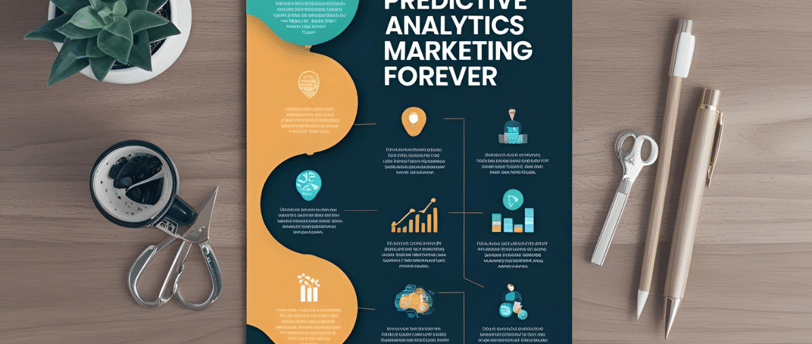
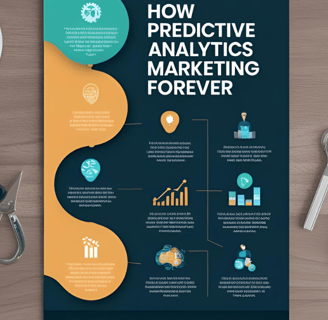
Predictive analytics is changing how marketers connect with audiences, using data to predict future trends and customer actions. This article explores its impact, with real-world examples and a visual infographic to make the concepts clear.
Faizan Sabir
4/28/20252 min read
Introduction
Predictive analytics is changing how marketers connect with audiences, using data to predict future trends and customer actions. This article explores its impact, with real-world examples and a visual infographic to make the concepts clear.
How Predictive Analytics is Changing Marketing Forever
In today’s fast-paced digital world, marketing has evolved from guesswork to a data-driven science, thanks to predictive analytics. This powerful tool uses historical data, statistical algorithms, and machine learning to forecast future outcomes, helping marketers anticipate customer behavior, optimize campaigns, and personalize experiences with precision.
Imagine a cosmetics giant like L’Oréal predicting beauty trends 6 to 18 months ahead, ensuring their products meet future demands (Predictive Analytics in Marketing: 7 Use Cases). Or a company like Aydinli earning $50,000 per campaign by segmenting customers based on behavior, achieving an ROI over 3,500%. These aren’t just possibilities—they’re happening now, and they show how predictive analytics is revolutionizing marketing.
How It Works
Predictive analytics in marketing relies on data from customer interactions, purchases, and social media, analyzed by AI and machine learning to uncover patterns. Marketers and data scientists then turn these insights into strategies, like predicting which customers might leave (churn prediction) or which ads will perform best.
Real-World Impact
The applications are vast:
Customer Segmentation: Dividing audiences into groups for targeted marketing, like Aydinli did with Acquia’s models.
Personalized Marketing: Tailoring content to individual preferences, boosting engagement.
Churn Prediction: Spotting at-risk customers, as a retail firm did with Lityx, increasing accuracy by 330%.
Campaign Optimization: Choosing the best channels and timing, like IDT did with Optimove, seeing a 50% increase in new service purchases.
Sales Forecasting: Predicting future sales for better inventory management.
Benefits and Challenges
The benefits are clear: improved customer engagement, higher conversion rates, cost savings, and deeper insights. But challenges exist, like ensuring data privacy under regulations like GDPR, maintaining data quality, and managing implementation costs.
Looking Ahead
Future trends include AI advancements, real-time analytics, and hyper-personalization, making marketing even more dynamic. Businesses embracing these changes will thrive in a competitive market.
Call to Action
Ready to explore how predictive analytics can transform your marketing? Discover how SmartGrowth AI can help with innovative strategies.
